
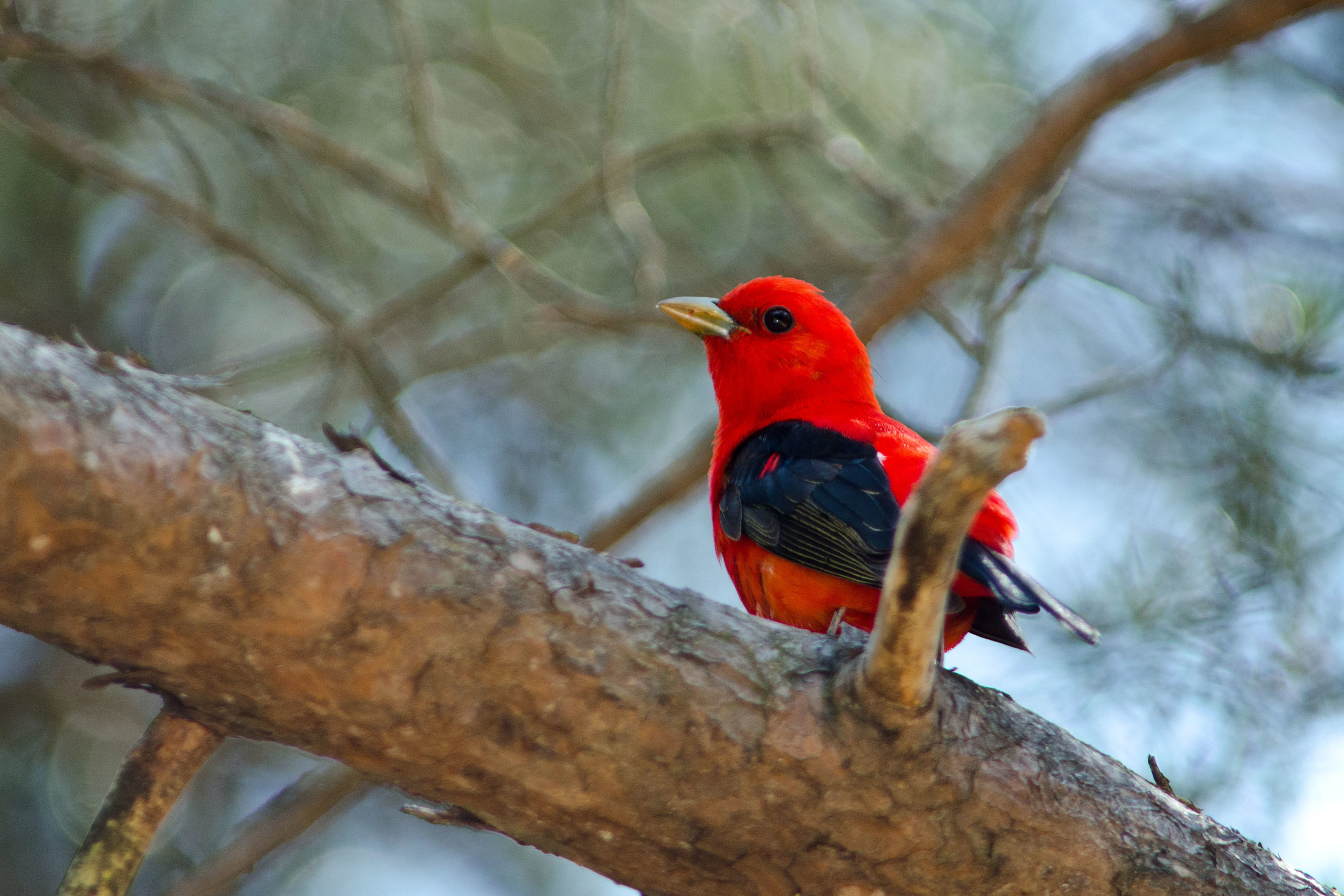
Day One & Two: Plovers, Terns and Loons
Arrivals throughout the day. We’ll have some optional, informal walks during the afternoon and visit the Interpretive Center, plus there will be plenty of time to settle into your rooms.
This afternoon enjoy a welcome discussion followed by an included dinner outside or on the covered deck at the all new Learning Campus at the Gulf State Park.

For those who rise early and want to get started, each morning there will be a bird walk before breakfast. After breakfast and a brief orientation, enjoy birding during a hike around Gulf State Park with our leaders, conservationists and park rangers.
This morning, join your small group and explore some of the 28 miles of trails with park rangers and local conservationists here at the State of Alabama’s Gulf State Park. Trails crisscross the 6,150 acres of the park, providing access to gulf beaches with nesting Least Terns, Common Loons on an inland lagoon and a full complement of neo-tropical migrants. Osprey soar overhead along with Bald Eagles, Purple Martins and a variety of swallows swoop for insects as Great Egrets fish in the shallows. In addition to the impressive bird life, watch for alligators, bobcats and foxes, plus there is always the possibility of spotting a sea turtle.
After lunch, visit the nearby Bon Secour National Wildlife Refuge. The refuge protects beach, dunes, shrub habitat, and woodland on the Fort Morgan Peninsula located west of the lively town of Gulf Shores. Its range of habitats makes Bon Secour an excellent all-around birding location. This time of year the refuge is an excellent “fallout” site for spring migrants when birds that have crossed the Gulf of Mexico hone in on the first wooded land they spot. Fallouts are most likely to occur when the birds have had to work overtime to make landfall due to weather events out in the gulf, but they always arrive exhausted and ready to refuel after flying hundreds of miles over water. A single tree may shelter a mix of a dozen vireos, thrushes, warblers, and other species.

Clapper Rail 
Rose-breasted Grosbeak 
Anhinga 
Black-necked Stilts 
Bonaparts Gull
Begin at the visitor center in your small group to learn about the threatened Snowy Plover and hear about recent bird sightings. Enjoy a couple of the four refuge trails, all of which pass though varied habitats, at one point with a saltwater lagoon on one side and a freshwater lake on the other. Several of the trails are handicap-accessible, and all are relatively easy walking.
The refuge bird list totals more than 230 species, with almost all of those possible during spring migration. When it comes to spring migration, just about anything is possible from the entire list of eastern neotropical migrants. Nesting and year-round species include Brown Pelican, Osprey, Common Ground-Dove, Brown-headed Nuthatch, and Pine Warbler.
This afternoon return to your lodging for time to prepare for fun and food. There’s no fresher seafood than that pulled from fresh that day from the Gulf of Mexico. When the sun goes down the beat heats up and music locations abound. The most famous is the Flora-Bama Lounge, located with the border of Florida and Alabama running through the building. The Flora-Bama is a one-place venue for dinner, drinks, music and fun! The Gulf Coast’s cultural landmark and touted as being America’s “Last Great Roadhouse” is part honky-tonk, oyster bar, beach bar, and unique music venue from country to beach music. Dinner and drinks are on your own tonight. (B,L)
Day Three: Warblers, Vireos, Tanagers and More.
Day 3. Today will be long day but very rewarding. Early this morning travel along the Ft. Morgan peninsula to historic Fort Morgan. As you will arrive very early for the Dauphin Island ferry, explore the tip of the peninsula which is a good vantage point from which to watch migrating raptors on the migration. Enjoy the ferry ride across the mouth of Mobile Bay to Dauphin Island, which has long been one of the legendary birding fallout sites of the Gulf Coast. Accompanying us on the ferry will likely be a full complement of Laughing Gulls and Royal Terns, who take the ferry ride regularly.
There has been an ongoing effort on Dauphin Island to purchase private land as it comes for sale to be turned into bird habitat, and we’ll see some of this restoration as we explore the island. Several significant wooded areas have remained intact as well, including your first stop at Audubon Park. This 137-acre dedicated bird sanctuary has over 3 miles of trails that wind through maritime forest, marshes, dunes, around a freshwater lake, a swamp, and a beach. Of the 445 species officially documented in Alabama presently, 420 (95%) have been observed here. This area, and the island itself, has been recognized by the National Audubon Society as “Globally Important” for bird migrations and designated one of seven “Important Bird Areas” in the state. Great Horned Owls nest in the sanctuary and Bald Eagles often soar overhead. Osprey are numerous. Swainson’s Warbler is also regularly seen during this season.
Smaller birding areas around the island, such as the remarkably popular Shell Mound Park and Cadillac Square, with their moss-draped ancient trees, normally have throngs of migrating birds. The unexpected can be expected. Rare sightings include Ash-throated Flycatcher, Fork-tailed Flycatcher and Painted Redstart. Gray Kingbirds now nest on the island and Black-whiskered Vireo appear with some regularity. Indigo Buntings and Blue Grosbeaks are common this time of year, Painted Buntings are often found mixed into the flocks of migrants. Swallow-tailed Kites are often seen swooping down for a meal while Magnificent Frigatebirds are sometimes spotted soaring high above.
Later today travel to Bellingrath Gardens, just north of the island and located off Mobile Bay along the Fowl River. The entire grounds are considered a bird sanctuary. Here visit the estate and gardens of one of the first Coca Cola Bottlers in the Southeastern U.S. Enjoy a southern lunch amongst Bellingrath’s award-winning roses, azaleas, hydrangeas and explore the more natural side of the gardens as well. After lunch, we’ll return to Dauphin Island for another glimpse at the fallout possible at Pelican Point, as well as watch for a variety of shore birds. Ruddy Turnstone and Black-bellied Plover are common. Snowy Plover regularly nest here and Marbled Godwit and Red Knots are often see each spring. Watch the bay for Black Skimmer, American Oystercatchers and the usual complement of terns and gulls, keeping a sharp eye out for regulars like Sandwich Terns and Royal Terns to the less common Caspian Terns. If you are interested and if time permits, visit The Estuarium at the Dauphin Island Sea Lab to discover the Living Marsh and view aquariums highlighting the four key habitats of coastal Alabama. Red foxes, a recent migrant to the island, are somewhat common, though elusive, so keep an eye out.
Later this evening take the last ferry back to Ft. Morgan and return to your lodging. Dinner and the remainder of the evening are on your own. A fun option tonight is to be dropped off for dinner at Lulu’s (Jimmy Buffett’s sister Lucy’s restaurant) on your way back to the hotel. At LuLu’s enjoy award-winning coastal cuisine like a bowl of seafood gumbo or a mountainous Cheeseburger in Paradise while listening to live music along the intercoastal waterway. Don’t’ worry, we will pick you back up when you are finished! (B,L)
Day Four & Five: America’s Amazon
Day 4. Early departure for America’s Amazon, the Mobile-Tensaw Delta. Birds of the marsh that are typical here include Northern Parula and Prothonotary Warbler. Explore some of Historic Blakely State Park’s 3,800 acres of upland hardwoods before embarking the Delta Explorer where breakfast is on board. The Mobile-Tensaw Delta is America’s second largest delta and one of America’s most ecologically rich thus garnering the nickname America’s Amazon.
Travel along the tranquil waters of the Tensaw and Apalachee rivers through the delta to catch a glimpse of some of the more than 300 species of birds. Over 110 species actually nest right in this delta area each year. As the covered boat with comfortable bench seating travels downriver, keep a sharp eye out for the Pileated Woodpecker, North America’s second largest woodpecker, only slightly smaller than the now presumed extinct Ivory Billed Woodpecker. If the Ivory-billed Woodpecker exists anywhere, this would be a likely place for it (we won’t be seeing an Ivory-billed Woodpecker, but this is perfect habitat for one as one of the last places of undisturbed delta). All but one of Alabama’s other resident woodpeckers should be readily available here, too. Beyond birds, be sure to watch out for alligators, foxes and the elusive Southern black bear. You may spot a rare red-bellied turtle as it slides into the water or experience the beauty of a sea of Delta lilies blooming in mass.
Next, as you travel down stream to the 320-year-old city of Mobile, imagine what Native Americans and early French settlers might have viewed. Much like then, Osprey still fish overhead as Great Egrets and Great Blue Herons search for food in the shallows. These rivers were the main thoroughfares before roads and canoes the primary form of transportation at the time. But, today, Mobile is Alabama’s primary seaport and a thriving hub on America’s Gulf Coast. It’s also the home of the original Mardi Gras, made famous by the larger New Orleans celebration. Disembark near downtown at Cooper Riverside Park, and spend the late morning discovering Mobile.
A short ride yields lunch today atop one of the tallest buildings on the Gulf Coast, at Dauphin’s Restaurant. Here share in the culinary history of Mobile with a French Creole inspired lunch. After lunch, you’ll head towards the bay. One option: Meaher State Park. Here, you’ll watch as threatened Least Terns put on quite the courtship display. We’ll watch as male Least Terns, America’s smallest tern, retrieves small fish and presents it to his partner. Sometimes, the female accepts the fish gratefully; other times it can take a few tries to get the “hand-off” right. If the Least Terns aren’t in active courtship yet, you’ll go to the small, 70 acre Village Point Park in Daphne, Alabama. This small park boasts nearly 240 ebird records, including almost every neo-tropical migrant that might be seen in Alabama, plus Reddish Egrets (rare), Tri-colored and Little Blue herons, and a multitude of plovers.
Later this afternoon, you’ll travel back along the eastern shore of Mobile Bay with a stop at the Weeks Bay Pitcher Plant Bog, where these carnivorous plants capture and digest local insects and other small creatures. Here’ you’ll learn about this remarkable ecosystem from a park naturalist before continuing just down the road to visit the Weeks Bay National Estuarine Research Reserve. Then, venture out on the network of raised walking paths for dusk bird viewing. Brown Pelican, Clapper Rail, Laughing Gull, Royal Tern and Marsh Wren are common. Along the bog’s boardwalk, Osprey, Brown-headed Nuthatch, Common Yellowthroat, Pine Warbler and Indigo Bunting are often seen.
Dinner tonight is at Camp Beckwith located along the shore of Weeks Bay. Enjoy coastal cuisine and a campfire just after sunset. (B,L,D)
Day five is a travel day or continue to explore the gulf on your own. We’ll have several itineraries created for those who wish to explore on their own.